Schoonmaakwoede · a platform for the whole business
Keep the customer promise. Give people room to deliver.
For Schoonmaakwoede, we designed and built a platform connecting customer bookings with the daily work of office staff, franchise partners and cleaning teams. It covers service selection, changes on site, quality checks and financial follow-up. People who understand the work have the information and authority to take responsibility for it.
Schoonmaakwoede
From the customer agreement to delivery and follow-up.
Customer
Chooses rooms, work and a time.
Office & partner
Organise capacity and make decisions within their authority.
Delivery team
Checks the situation, proposes changes and records the work.
Follow-up
Quality checks, customer contact and financial follow-up.
This case shows the established platform and the revised workflow in the October 2026 test environment. Product screens are in Dutch.
The challenge: an online booking has to work in practice
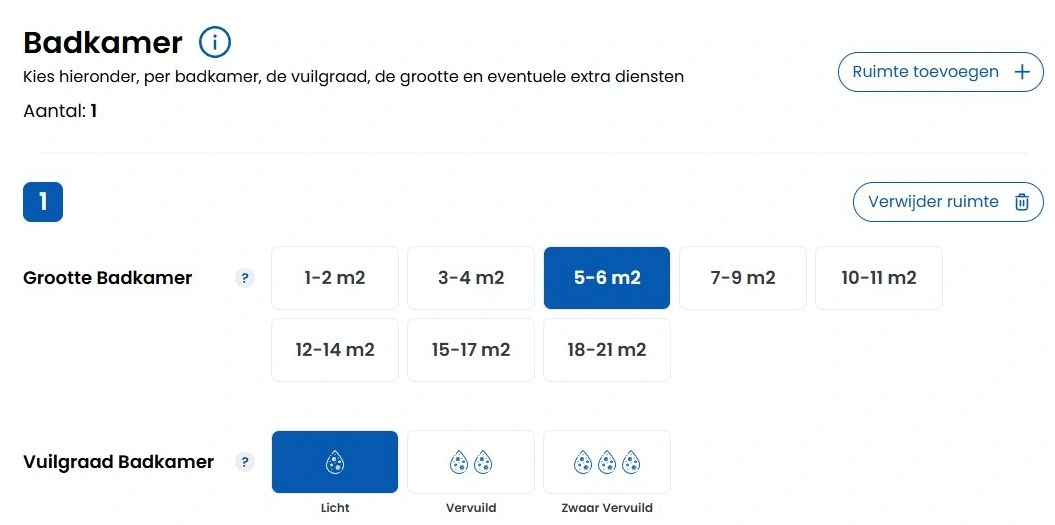
A customer can book a cleaning service online. But how do the rooms, their condition and any additional work affect the price and the team needed? What happens when the situation on arrival differs from the original booking?
The challenge was to translate Schoonmaakwoede's offer into a way of working that holds together across the business. Bookings need to fit available capacity. Teams need to understand the agreement. A change on site needs a decision the customer can understand.
The platform therefore starts with the work itself. Customers describe the rooms and the cleaning required. Those choices inform the price, schedule and job that other people will work from.
Our approach: design around the whole business
Schoonmaakwoede is part of our own entrepreneurial history. This project brings experience of running a service business together with designing and building its software.
We worked through the relationships between the offer, pricing agreements, capacity and responsibility. Who can change the work? When can a partner decide? Where is customer approval needed? Which financial decisions stay with the office? We translated those choices into the product.
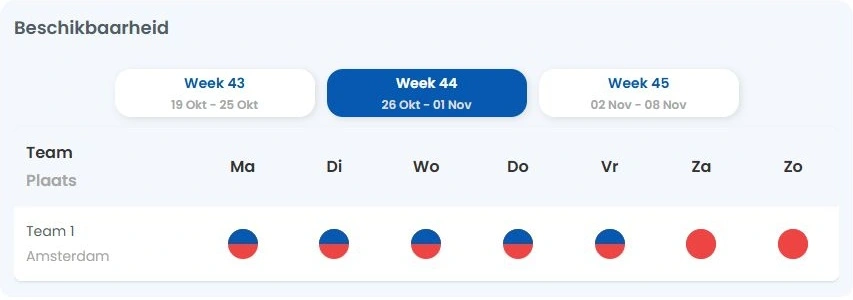
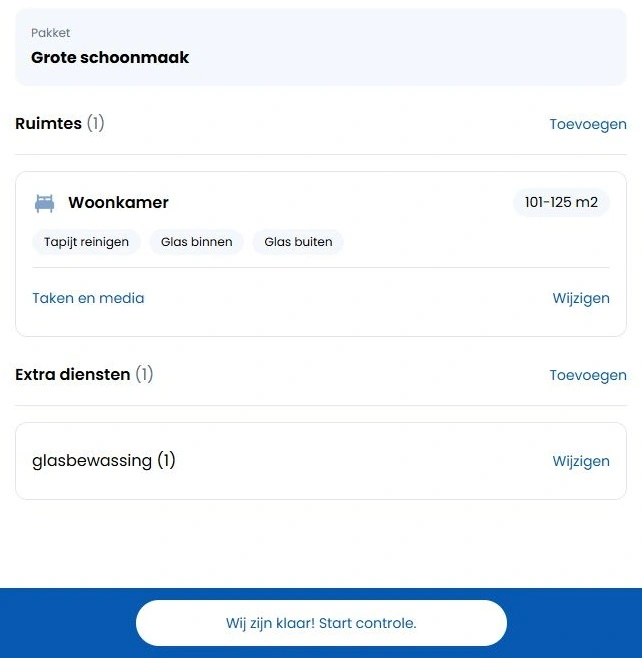
We built four connected applications. Customers book and follow their agreement. Office manages the service and financial follow-up. Partners manage team availability and review changes to their own jobs. Team leaders use Work Order to check conditions on site and record the work.
The planning draws on teams' morning and afternoon availability. Changing that availability does not automatically move a confirmed customer booking. That distinction is part of the design too.
When the situation on site is different
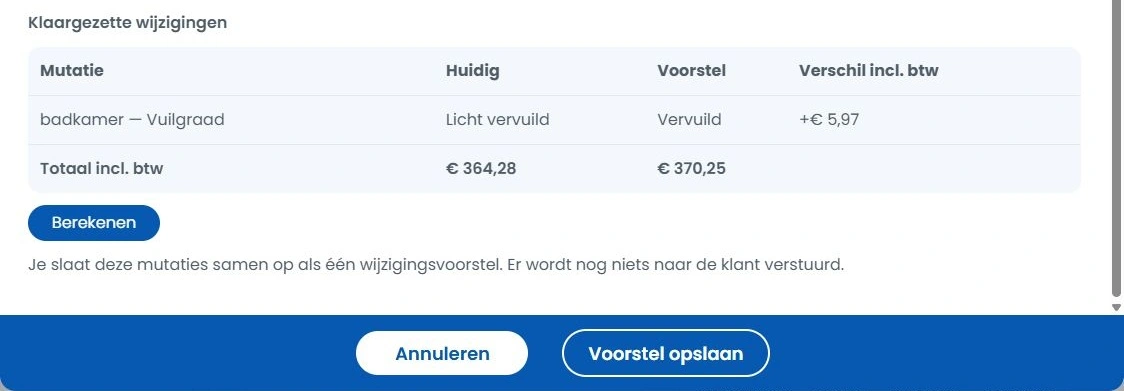
Consider a bathroom that needs more cleaning than the customer originally specified. During the initial inspection, the team leader can record the difference. The revised work becomes a proposal showing the price change.
Depending on the agreed process, that proposal first goes to Office or an authorised partner, or directly to the customer. The customer can review it, approve it, make any required additional payment, decline it or ask to speak to someone.
An authorised partner can also make a reasoned decision to let the team proceed. The platform distinguishes that decision from customer approval and receipt of payment. The team leader can see what still needs to happen before work can start.
An observation made by the person on site can therefore lead to a clear revision of the agreement. The price implications and responsibility for the decision remain visible.
Independence with clear responsibilities
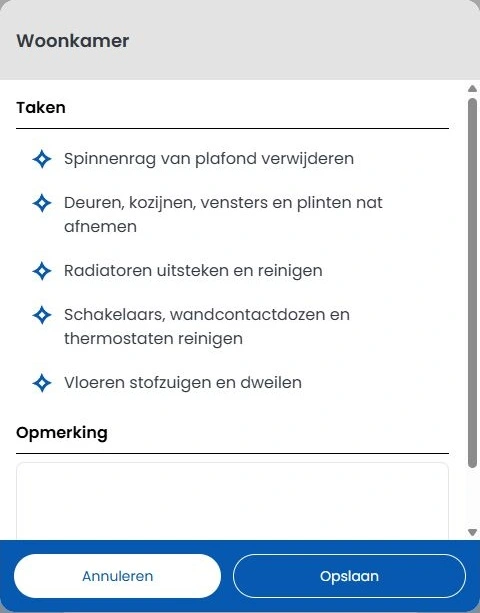
Work Order gives the team the agreed rooms, additional services and tasks. The team leader checks the situation, records observations and submits changes. Where a review is required, it remains part of the process.
Different services also need different records. For bespoke work, the team records actual person-hours and the services delivered. An agreed minimum charge does not alter that factual record. The team checks the completed work and, when the customer is present, reviews it with them.
This makes autonomy practical. People can use their expertise, understand which decisions are theirs and involve the right colleague when needed. Personal contact remains available within the process.
The software upholds the agreement
IndustrylinQ also built the shared cloud infrastructure and the processing behind the applications. It checks which actions are permitted, calculates the consequences of changes and applies them to the existing job.
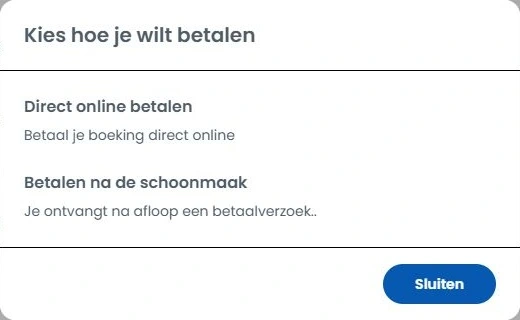
A manually agreed price remains the starting point. A change shows the difference against that agreement. Customer approval, permission to proceed and payment are recorded separately. A later response must not add the same extra work again.
The platform connects to Mollie for payments and Exact for invoicing. Office can follow receipts and outstanding financial work. A completed cleaning job can still have an unresolved proposal or balance. The team on site does not need to alter its work records to accommodate that follow-up.
The result: each role can work from the same agreement
The result is a connected business platform that carries the customer promise through to the team on site and back to the office:
- Customers can see the agreed work and respond to proposed changes, including requesting a conversation.
- Teams work from the current job and can record differences, delivery and quality checks.
- Partners organise their capacity and decide on changes within their authority.
- Office oversees agreements, financial follow-up and issues that remain after the work is complete.
Could your commercial agreements, people's expertise and daily operations work better together? Explore how we develop business processes and responsibilities or what a platform development engagement delivers.
Your next step
An idea, or a detailed brief?
We start from where you are. Discuss the application, any existing requirements and the team we would work alongside.